
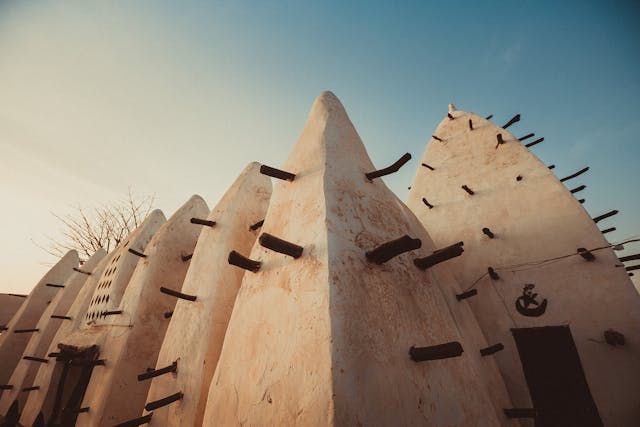
When I was a child living in our little village with my parents and siblings, life was very different.
The weather, for instance, was highly predictable. We knew the rain that ushered in the rainy season and the rain that ended it. On the last day of rain, tiny ice cubes fell from the sky and we rushed into the rain, sometimes naked, to pick up the cubes to suck like cool candies without sugar. We all knew there wasn’t going to be rain again till next season.
Now things have changed. The rains are no longer predictable and this has affected many farmers who still haven’t learnt to incorporate irrigation and other mechanized farming methods into their practices.
On every Easter Friday afternoon, there used to be a storm in the village. We didn’t know why it was so, but it always happened.
Back then, many children my age knew the names of almost every tree in the village, their medicinal properties and which kind of tree a furniture found in the home was made of. We used to have three stools at home, one was made of a tree we called “setuna” in our mother-tongue, the other was made of wawa and the last of nim. Each tree product typically had a unique colour, weight and rings in the log.
I knew the names of many animals and insects in my mother-tongue. There were plants and insects that were only available during certain times of the year and disappeared after a brief time of existence.
Hot food was mainly sold in leaves we later discovered in the classrooms of their medicinal properties, unlike today that we sell very hot foods in polythene bags and our sachet water exposed to ultraviolet rays of the sun. Porridges used to be sold in calabashes.
Today, like me, many children who used to live in my village have dispersed into various parts of the country for school, work or permanent relocation without ever visiting the village again. It now takes a lot of efforts to stay in touch with the language, culture, and history of our village.
One of the reasons many young people are glad to flee from villages is the continuous practice of certain primitive, sometimes barbaric customs and the prevalence of witchcraft and sorcery that shortens many lives and hinders progress. However, it is important to stay in touch with one’s roots, learning important aspects of one’s history that can be tapped into for innovations and passed on to the next generation.


Leave a Reply